
Skowhegan residents benefit from Maine's Do Not Call Laws, which offer 5-year protection against unwanted sales calls. To enforce these laws, residents can register on the national and state Do Not Call lists, document and report intruders, and engage with regulatory bodies like the Attorney General's Office and Federal Trade Commission (FTC). Detailed records of incidents are crucial for effective complaints. Community initiatives also support stricter Do Not Call Laws Maine compliance.
Skowhegan residents often find themselves on the receiving end of relentless telemarketing calls, a modern nuisance with profound implications. As we navigate an increasingly digital landscape, Do Not Call laws in Maine, such as those protecting Skowhegan, have become crucial tools for empowering individuals to reclaim control over their personal space and time. This article offers an authoritative guide tailored specifically for Skowhegan residents, equipping them with the knowledge and strategies needed to file telemarketing complaints effectively under these state regulations. By following these expert tips, residents can silence unwanted calls and enjoy a quieter, more peaceful existence.
Understanding Your Rights: Do Not Call Laws in Maine

Skowhegan residents, like all Maine citizens, have rights when it comes to telemarketing calls. Understanding your rights under Maine's Do Not Call Laws is crucial in navigating the increasing volume of unwanted phone solicitations. The state has implemented these laws to protect consumers from intrusive marketing practices, ensuring a balance between business promotion and personal privacy.
Maine's Do Not Call Laws are designed to give residents control over their communication preferences. According to the Maine Attorney General's Office, individuals can register their telephone numbers on the Maine Do Not Call List, which restricts sales calls from certain organizations for a period of five years. This powerful tool allows Skowhegan residents to curb unwanted telemarketing within minutes by simply registering online or via phone. The list filters out most pre-recorded or automated sales calls, providing significant relief from persistent solicitations.
However, it's essential to recognize that not all calls are prohibited. Non-profit organizations, political campaigns, and certain types of business-to-business communications are exempt from the Do Not Call Laws in Maine. Therefore, while residents can expect a reduction in unsolicited sales calls, they may still receive legitimate communication from these exempted entities. Staying informed about these nuances ensures Skowhegan residents make informed choices regarding their privacy rights.
Navigating Complaint Processes: Effective Steps for Skowhegan Residents

Skowhegan residents facing unwanted telemarketing calls have a variety of options and steps at their disposal to file complaints effectively. Understanding the complaint process is crucial for ensuring your voice is heard and to prevent future nuisance calls. The first step involves familiarizing yourself with Maine's Do Not Call Laws, which offer significant protection against unsolicited phone marketing. According to the Federal Trade Commission (FTC), consumers in Maine can register their phone numbers on the national "Do Not Call" registry, effectively blocking most commercial calls for 5 years.
Once registered, it's essential to document each incident of unwanted telemarketing activity. Note down the caller's ID, the date and time of the call, and a detailed description of the interaction. This documentation serves as crucial evidence when filing a complaint with relevant authorities. Maine's Attorney General's Office provides an online form for consumers to file complaints regarding telemarketing violations, offering a straightforward and efficient way to report nuisance calls. Additionally, the FTC's Consumer Complaint Assistant offers a user-friendly platform for reporting telemarketers who ignore state regulations like Do Not Call laws.
When navigating the complaint process, residents should remain persistent and thorough. Following up on complaints with both local and federal agencies is essential to encourage enforcement actions against persistent violators. The Maine Public Utilities Commission (MPUC) also plays a role in regulating telemarketing practices within the state, offering another avenue for residents to voice their concerns. By taking these effective steps, Skowhegan residents can actively participate in curbing unwanted telemarketing calls and protect themselves from potential fraud or harassment.
Documenting and Reporting Telemarketers: A Comprehensive Guide
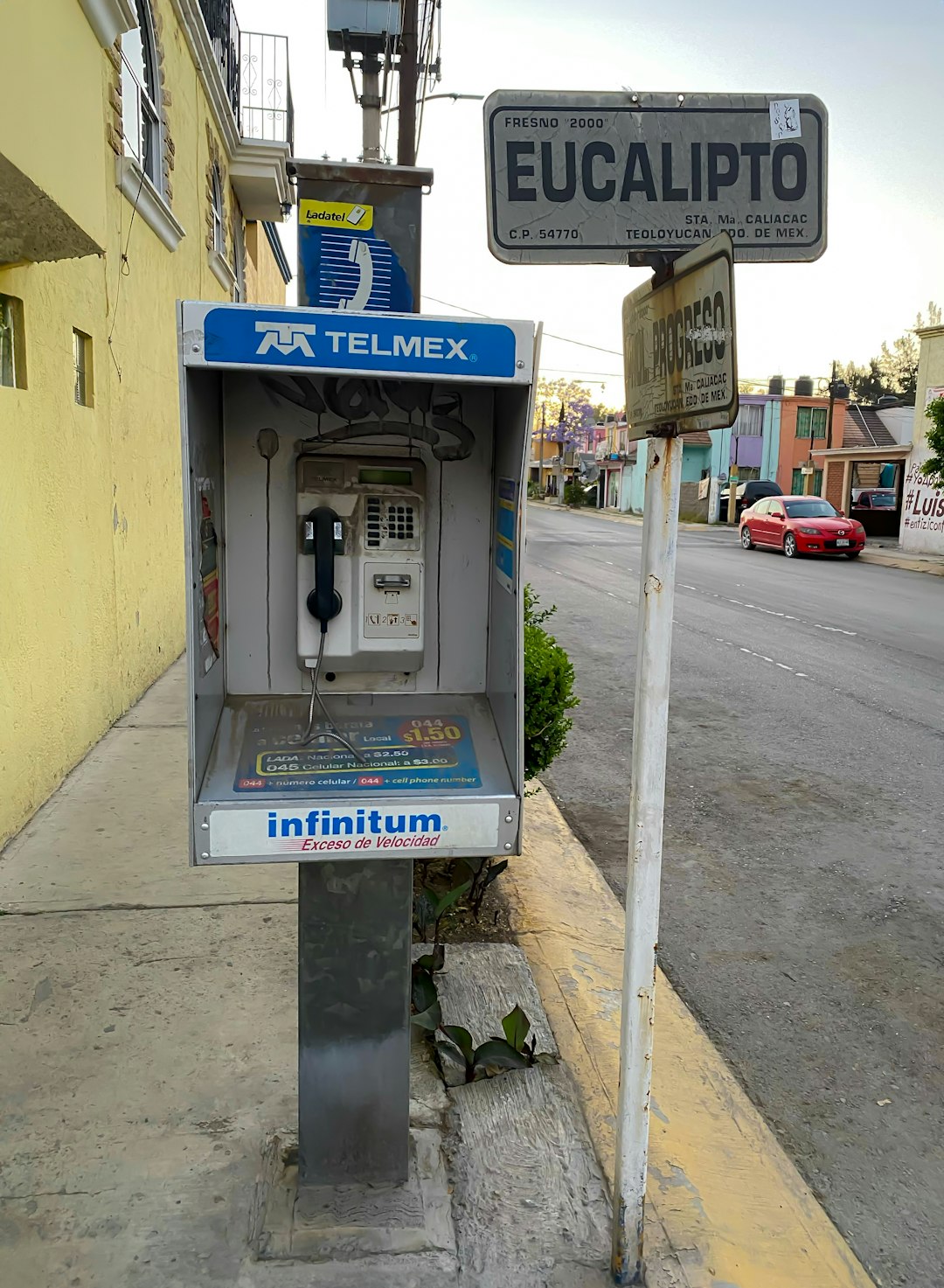
Documenting and Reporting Telemarketers is a crucial step for Skowhegan residents looking to protect themselves from intrusive calls. In Maine, Do Not Call Laws offer some reprieve, but enforcement can be challenging. To effectively address telemarketing complaints, residents should meticulously record each incident, noting the caller's identification, call timing, and any aggressive or deceptive tactics employed. This includes jotting down scripts or recurring phrases used by the telemarketers. Detailed documentation is key as it provides concrete evidence for reporting.
Reporting should be done through official channels, utilizing both state and federal resources. In Maine, the Attorney General's Office oversees consumer protection, accepting complaints related to telemarketing violations. Additionally, the Federal Trade Commission (FTC) offers an online complaint form, allowing individuals to report unwanted calls nationwide. When filing a complaint, provide as much detail as possible, referencing specific Do Not Call Laws violations, such as calling during designated quiet hours or ignoring registration on the National Do Not Call Registry.
For robust protection, consider joining community-based initiatives focused on telemarketing oversight. Local groups can collectively document and report trends, leveraging their collective voice to push for stricter compliance with Do Not Call Laws. This collaborative approach not only empowers residents but also creates a more sustainable solution, ensuring Skowhegan remains a sanctuary from intrusive telemarketing practices.
About the Author
Meet Sarah Johnson, a renowned telecommunications expert with over 15 years of experience advocating for consumer rights. She holds a Certified Consumer Defense Specialist (CCDS) certification from the National Association of Telephone Consumer Protection Associates (NATCPA). Sarah is a regular contributor to industry publications like The Communication Journal and an active member of the American Bar Association's Telemarketing Law Committee. Her expertise lies in guiding Skowhegan residents through effective telemarketing complaint filing processes, ensuring their rights are protected.
Related Resources
Here are some authoritative resources for an article on "Skowhegan Residents Tips for Filing Telemarketing Complaints":
Federal Trade Commission (Government Portal) (Government Site): [Offers official guidance and resources on handling telemarketing complaints.] - https://www.consumer.ftc.gov/
Skowhegan Police Department (Community Resource): [Provides local procedures and advice for dealing with unwanted calls.] - http://www.skowhegan.org/police-department/
Maine Attorney General's Office (Legal Resource): [Offers state-specific information on consumer protection, including telemarketing laws.] - https://ag.maine.gov/
Better Business Bureau (Industry Leader): [A non-profit organization that helps resolve consumer complaints and provides resources for avoiding scams.] - https://www.bbb.org/
University of Maine Law School (Academic Study): [May offer legal insights or academic research on telemarketing regulations and consumer rights.] - https://law.umaine.edu/
National Do Not Call Registry (External Guide): [A federal program that allows consumers to register their phone numbers for exclusion from most telemarketing calls.] - https://www.donotcall.gov/